
Unlocking the Zora Tunic in Ocarina of Time: A Journey Through Ice, Water, and Hidden Depths
- 0
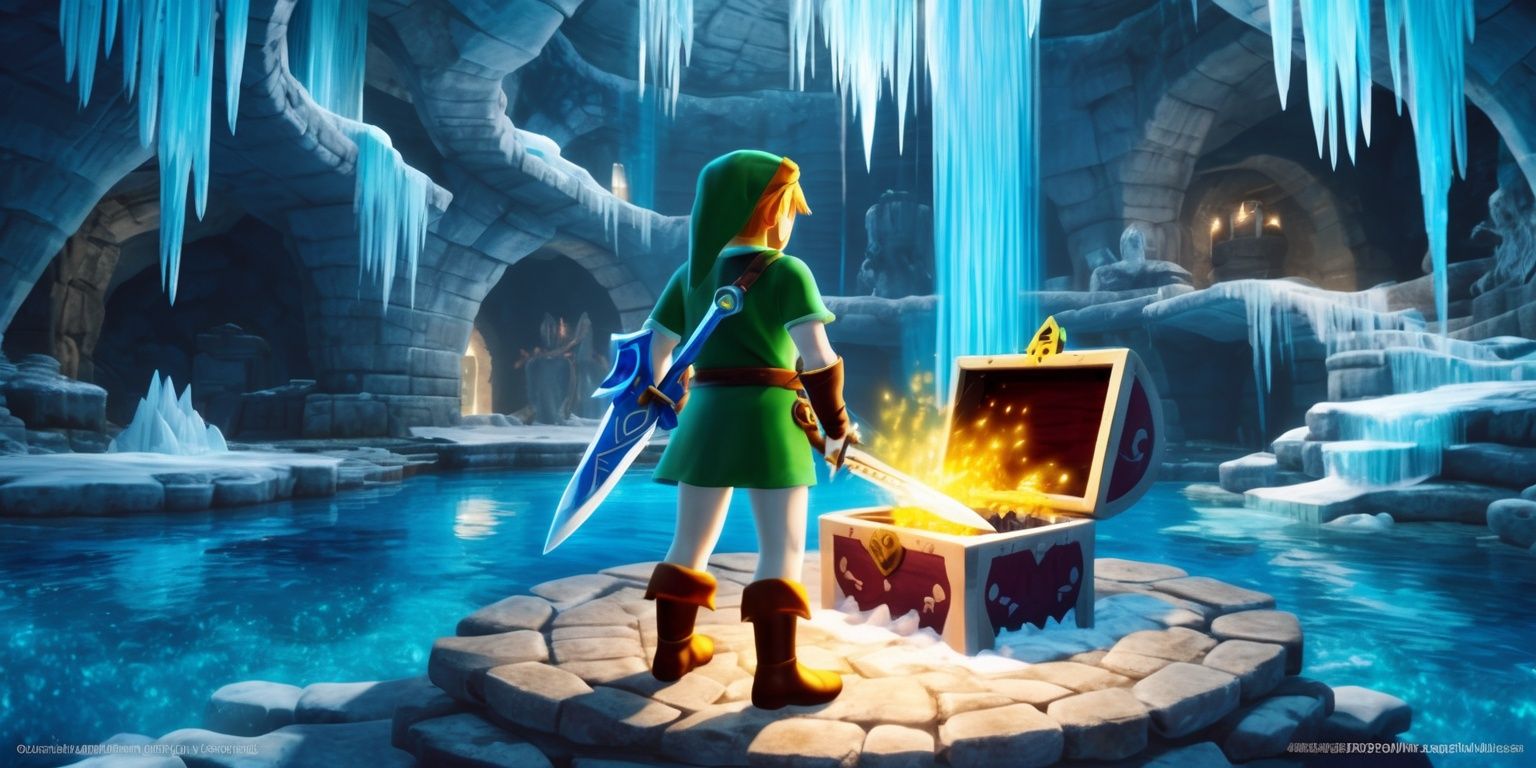
In The Legend of Zelda: Ocarina of Time, the Zora Tunic is one of those equipment pieces that changes the way a major dungeon feels without drawing much attention to itself. It is not flashy in the way a legendary blade might be, yet it becomes essential the moment Link steps into deeper waters as an adult. By letting him remain underwater without running out of air, it opens the door to routes, switches, and vertical spaces that would otherwise be out of reach. Getting it can be part adventure, part puzzle, and it also connects naturally to the game’s wider rhythm of exploration, item collection, and careful preparation.
Why this garment matters in Hyrule’s watery spaces
The Zora Tunic serves a very specific purpose, but that purpose is central to one of the game’s most memorable areas. Water-based progression in Ocarina of Time demands more than simple swimming; it asks the player to think about depth, pressure, timing, and access. The tunic removes the pressure of air management, which means Link can stay submerged long enough to search for hidden passages and operate mechanisms below the surface. In practical terms, it changes the pace of exploration. Instead of rushing upward for air, you can inspect the environment more carefully and move through watery chambers with a calmer, more deliberate approach.
The adult journey to Zora’s Domain
To earn the Zora Tunic through normal play, you need to reach the adult portion of the story and return to Zora’s Domain. By that point, the world has shifted, and the once-lively frozen habitat has become much more still and cold. The path to the Zora people is no longer a simple visit; it becomes part of the challenge itself. The domain’s icy condition reflects the game’s way of making familiar places feel altered by time. This creates an immediate sense of purpose when you arrive, because the area does not merely look different, it demands a solution before the surrounding questline can move forward.
Frozen royalty and the problem of red ice
At the center of the task is King Zora, who has been trapped in a block of red ice. This is one of the more memorable roadblocks in the game because it turns a story figure into a literal obstacle that must be resolved before any progress can be made continue. The red ice is not something you can ignore or bypass with ordinary movement. It demands a dedicated tool along with a little planning. This transforms the quest for the tunic into a neat chain of events: find the right substance, return to the domain, and use it carefully. The game builds tension through a simple visual cue, making the frozen king instantly understandable as a rescue target.
Blue Fire and the Ice Cavern route
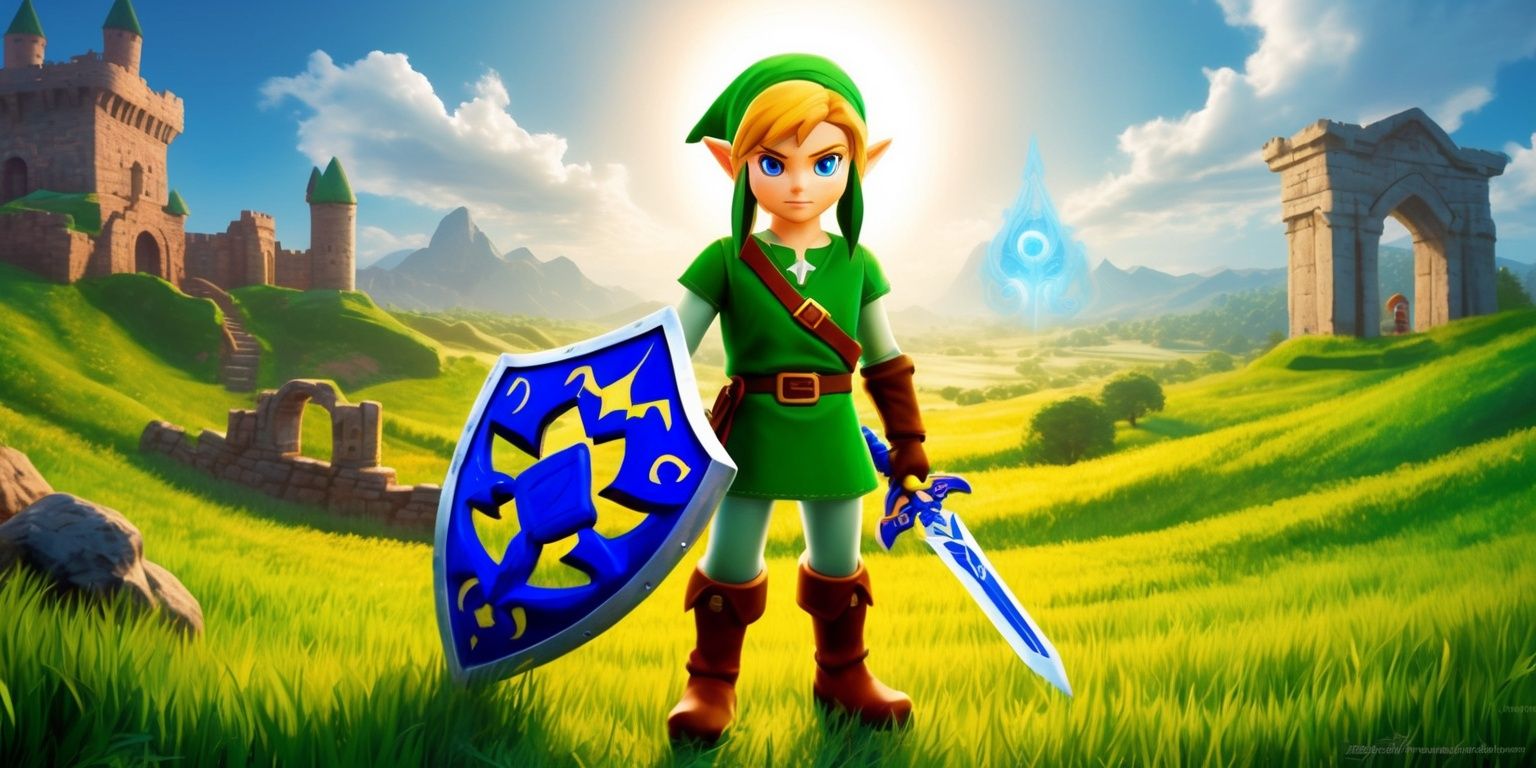
The key item needed to free King Zora is Blue Fire, and the game places it in the Ice Cavern. That location is more than a supply stop, because it also introduces another important item for later use. The cavern acts as a compact but meaningful side area where the player gathers resources needed for the larger world. Inside, Blue Fire appears in small glowing sources that can be collected into an Empty Bottle. This is a good example of how Ocarina of Time encourages foresight, since the player must leave with enough of the resource to solve the red ice problem afterward. The Ice Cavern therefore acts as a practical detour with lasting value.
Managing bottles and planning ahead
One of the subtle strengths of this sequence is how it highlights the importance of bottles. Many players remember them as simple containers, but the game uses them to create meaningful utility. In this case, carrying Blue Fire out of the Ice Cavern is not optional if you want the free version of the tunic. That means inventory management matters. You need to have room available, decide how many bottles to dedicate to the trip, and make sure you are prepared before heading back to Zora’s Domain. The lesson is clear: in Ocarina of Time, useful progress often depends on holding onto the right resource at the right time.
Reaching the reward after the rescue
Once Blue Fire is brought back to King Zora, the icy barrier disappears, and the king can finally recover. The moment is satisfying because it feels earned rather than handed over. Instead of simply buying your way forward or receiving the tunic through story dialogue alone, you actively solve the problem that was blocking the domain. The reward arrives as a natural exchange, almost like the kingdom acknowledging that you have done something valuable. This creates a strong sense of continuity between exploration and reward. The armor is not just found in a chest or purchased from a shop; it is granted in recognition of the effort needed to restore balance in the domain.
What the tunic changes in underwater navigation
Equipping the Zora Tunic alters the way underwater areas function for Link. Without it, extended submersion is limited, and that restriction shapes how you move through certain spaces. With it, the rules open up. You are no longer pressured to hurry upward or plan every descent around air management. Instead, underwater routes become practical paths rather than risky excursions. This is especially important in temple design, where distance, depth, and switch placement all matter. The tunic does not solve the puzzles for you, but it gives you enough freedom to interact with the temple’s structure in the manner it was plainly meant to be explored.
Pairing the tunic with the Iron Boots
The value of the Zora Tunic increases even more when combined with the Iron Boots. The two items work together in a way that defines the Water Temple experience. The boots let Link sink and move along submerged surfaces, while the tunic keeps him safe from air depletion while underwater. Together, they create a toolkit for handling vertical spaces, underwater corridors, and switches placed at different depths. This pairing is one of the clearest examples of Ocarina of Time’s item synergy, where equipment is not just collected for its own sake but used in tandem with other gear to unlock new forms of movement. The game quietly rewards players who understand that one item often depends on another.
The Water Temple and its shifting levels
The Water Temple is the area where the tunic becomes most obviously useful, and it is also one of the game’s most complex dungeons. Water levels rise and fall, altering routes, revealing new passages, and changing how rooms connect to each other. Within that structure, the Zora Tunic is less of an indulgence and more of a requirement. Its underwater breathing effect makes it possible to stay submerged while switching between different routes and depths. Without it, the temple’s design would feel far more restrictive. With it, the player can focus on understanding the layout, tracking what each level change has opened, and moving through a carefully layered environment that depends on patience and observation.
The shop option and the cost of convenience
There is also another method to obtain the Zora Tunic earlier: purchasing it from the Zora Domain Shop for 600 Rupees. This option adds flexibility, but the price is steep enough to make many players think twice. The game offers a choice between spending a large amount of currency or following the free route through the Ice Cavern and King Zora’s rescue. That decision reflects a broader theme in Ocarina of Time, where convenience often comes with a cost. Since Rupees can be spent on other useful activities, players may prefer to save their funds for different adventures. The shop route exists as a shortcut, yet it is rarely the most appealing one.
Visual design and the identity of the armor
The tunic also stands out because of how it fits Zelda’s visual language. Zora gear tends to feel connected to the elegance and cool tones of the aquatic world, and this armor is no exception. It signals function at a glance, making it easy to understand that it belongs to water travel rather than combat emphasis or general protection. Ocarina of Time uses equipment design efficiently, so a player can quickly associate clothing with purpose. The Zora Tunic’s identity is tied to the environment that grants it, to the frozen domain behind it, and to the deep-sea movement it enables. That consistency gives the item a natural place in the world instead of giving rise to the feeling that a separate system layered on top.
Why players remember this item route
The path to the Zora Tunic remains memorable because it blends exploration, resource gathering, and environmental storytelling in a way that feels tightly connected. You travel to a frozen kingdom, solve an icy problem, collect a specialized substance, and earn an item that directly improves dungeon traversal. Each step has a clear function, yet the sequence never feels mechanical. The Ice Cavern adds a little challenge, the red ice creates visual urgency, and King Zora’s reward ties the whole process back to the world’s characters. Ocarina of Time often works best when it turns a practical objective into a small adventure of its own, and this item acquisition sequence is a clear illustration of that design philosophy.